Planning a trip to the United Arab Emirates requires understanding the country’s unique climate patterns and seasonal variations. The timing of your visit significantly impacts your sightseeing experience, from outdoor desert adventures to beach activities and cultural exploration. This comprehensive guide helps you determine the best time to visit the UAE based on weather conditions, tourist seasons, events, and your specific travel preferences.
Understanding the UAE’s Climate
The UAE experiences a desert climate characterized by extremely hot summers and pleasantly warm winters. Located between the Arabian Gulf and the Arabian Desert, the country sees minimal rainfall and abundant sunshine year-round. However, seasonal variations in temperature and humidity create distinct periods that affect outdoor activities and overall comfort levels.
The coastal areas including Dubai, Abu Dhabi, and Sharjah experience higher humidity due to their proximity to the Arabian Gulf, while inland desert regions like Al Ain see lower humidity but more extreme temperature fluctuations. Understanding these climate patterns helps travelers plan activities appropriately and set realistic expectations for their UAE sightseeing experience.
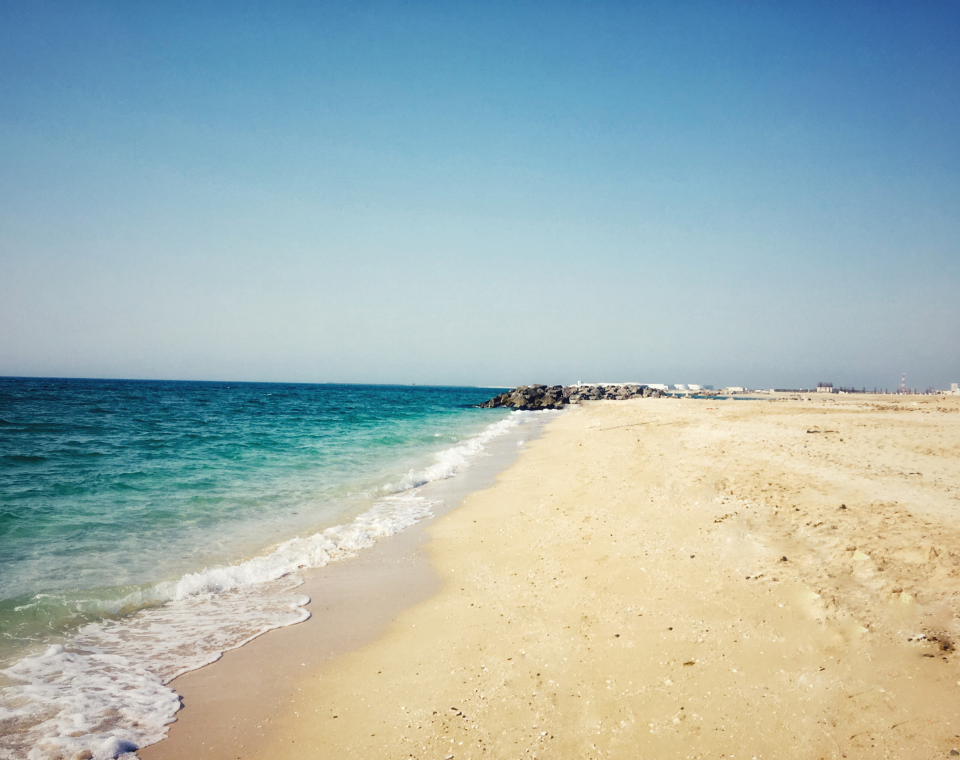
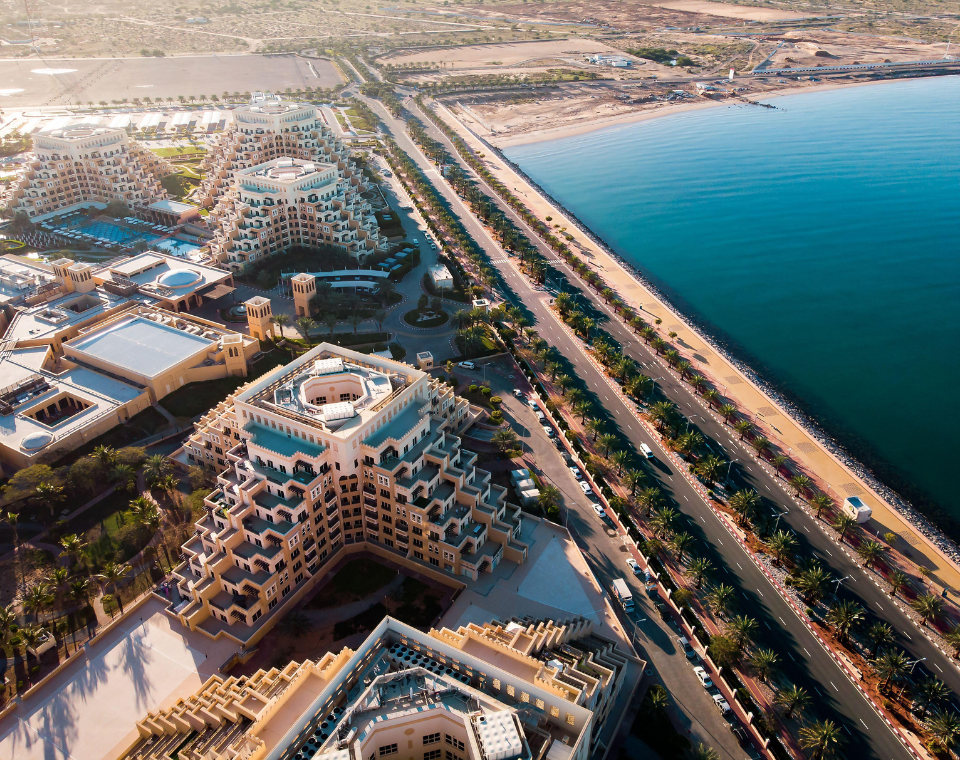
Peak Season: November to March
Why This Is the Best Time for Sightseeing
The period from November through March represents the optimal time to visit the UAE for sightseeing. Temperatures range from a comfortable 20°C to 30°C (68°F to 86°F), creating ideal conditions for outdoor exploration. Clear blue skies, minimal rainfall, and moderate humidity levels make this period perfect for visiting open-air attractions, desert safaris, beach activities, and architectural landmarks.
The pleasant weather allows tourists to comfortably spend entire days exploring without the exhausting heat that characterizes other months. Morning and evening temperatures can drop to the low 20s Celsius, occasionally requiring light jackets, particularly in desert areas. This comfortable climate explains why peak season attracts the highest number of international visitors.
November: The Season Begins
November marks the transition from intense summer heat to comfortable touring weather. Early November may still experience occasional warm days, but temperatures steadily decrease throughout the month. This period sees fewer crowds than December and January, offering better value on accommodations while still providing excellent weather conditions.
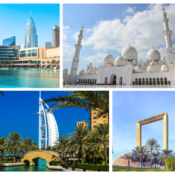
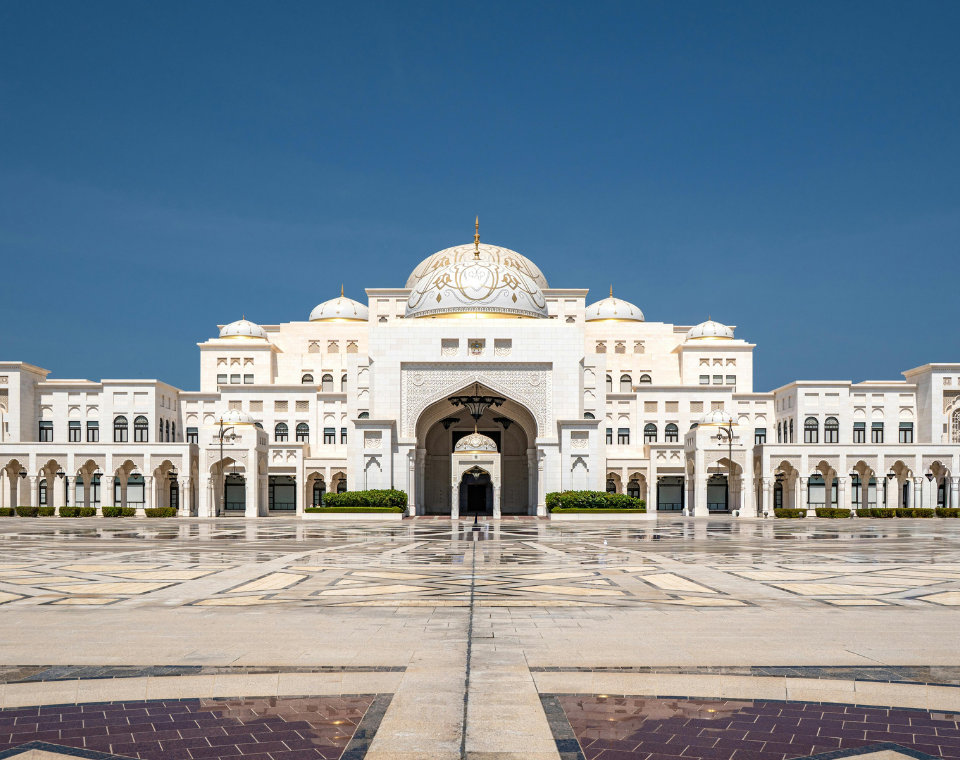
The cooler weather makes November perfect for outdoor sightseeing at attractions like the Sheikh Zayed Grand Mosque, Dubai Frame, and heritage sites in Al Ain. Desert temperatures become manageable for safari activities, quad biking, and overnight camping experiences. Beach activities remain enjoyable with warm water temperatures and comfortable air conditions.
December: Perfect Weather and Festive Atmosphere
December brings the UAE’s finest weather conditions alongside festive celebrations. Daytime temperatures hover around 24-26°C (75-79°F), ideal for sightseeing from sunrise to sunset. The month’s comfortable evenings encourage outdoor dining at waterfront restaurants, marina walks, and rooftop experiences with spectacular city views.
The festive season transforms Dubai and Abu Dhabi with elaborate decorations, special events, and New Year celebrations. Major shopping centers host extensive sales, while hotels offer special packages and experiences. This combination of perfect weather and celebratory atmosphere makes December highly popular, requiring advance bookings for popular attractions and accommodations.
January: Peak Tourist Season
January continues December’s excellent weather patterns while marking the height of tourist season. International visitors arrive in large numbers, particularly from Europe, seeking escape from winter cold. The month offers consistently sunny days, cool evenings, and virtually no rainfall, creating ideal conditions for comprehensive sightseeing itineraries.
The Dubai Shopping Festival typically begins in late December and extends through January, featuring massive retail discounts, entertainment events, and prize draws. Cultural events, outdoor concerts, and food festivals take advantage of the pleasant weather. Popular attractions experience longer queues during January, making early morning visits or pre-booked skip-the-line tickets valuable.
February: Extended Pleasant Conditions
February maintains January’s comfortable temperatures while gradually warming toward month’s end. This transitional period still offers excellent sightseeing conditions with slightly fewer crowds than peak January. Valentine’s Day brings romantic packages and special events, particularly at luxury hotels and desert resorts.
Outdoor attractions remain highly enjoyable, from exploring Dubai’s old quarters to visiting Abu Dhabi’s cultural landmarks. The weather supports full-day excursions to Hatta, Al Ain, or the northern emirates without excessive heat concerns. Beach activities, water sports, and yacht cruises benefit from calm seas and pleasant temperatures.
March: Shoulder Season Begins
March represents the final month of prime sightseeing weather, though temperatures begin climbing toward summer levels. Early March still offers comfortable conditions similar to February, while late March sees noticeable warming, particularly during midday hours. Morning and evening remain pleasant for outdoor activities.
This shoulder period provides better hotel rates than peak winter months while maintaining good weather for sightseeing. Tourist numbers decrease compared to January and February, creating shorter queues at popular attractions. The warming trend makes beach activities increasingly appealing while desert excursions become more challenging during afternoon hours.
Shoulder Seasons: April and October
April: Warming Transition Period
April marks the transition from comfortable winter to hot summer conditions. Early April can still offer reasonable sightseeing weather, particularly during morning and evening hours. However, temperatures steadily climb throughout the month, reaching 30-35°C (86-95°F) by month’s end. Humidity levels begin increasing along coastal areas.
Strategic planning allows enjoyable April visits by focusing on indoor attractions during peak heat hours. The Dubai Aquarium, museums, art galleries, and shopping malls provide air-conditioned environments during midday. Outdoor sightseeing works best during early morning hours before 10:00 AM or after 5:00 PM when temperatures moderate.
The reduction in tourist numbers creates advantages including lower accommodation costs, reduced crowds at attractions, and better availability for dining reservations. Hotels begin offering summer promotions, providing value-conscious travelers with opportunities for luxury experiences at reduced rates.
October: Summer’s End
October sees temperatures gradually decreasing from summer’s extreme heat, though the month remains quite warm by most standards. Early October can still experience 35-40°C (95-104°F) temperatures, while late October shows noticeable cooling toward more comfortable levels. Humidity remains elevated along coastal regions.
The decreasing temperatures make late October increasingly viable for outdoor sightseeing, particularly for visitors accustomed to warm climates. Beach activities become more enjoyable as oppressive summer heat subsides. Desert safaris resume their regular schedules after summer modifications, offering sunset and evening experiences.
October’s shoulder season pricing provides budget advantages while weather gradually improves toward peak season conditions. The month suits travelers seeking value who can tolerate warm conditions and plan activities around heat considerations. Indoor attractions, evening experiences, and water-based activities work particularly well during October.
Summer Season: May to September
The Reality of UAE Summer
The period from May through September experiences extreme heat that significantly impacts outdoor sightseeing. Daytime temperatures regularly exceed 40°C (104°F), often reaching 45-48°C (113-118°F) during peak summer months of July and August. Coastal humidity compounds the heat, creating challenging conditions for extended outdoor activities.
Summer nights offer little relief, with temperatures rarely dropping below 30°C (86°F). The combination of heat and humidity makes walking between attractions, waiting at outdoor queues, and exploring heritage sites physically demanding. Most tourists find these conditions unsuitable for comprehensive sightseeing programs focused on outdoor attractions.
Adapting to Summer Conditions
Visitors who travel during summer months must significantly modify their sightseeing approaches. The strategy centers on indoor attractions during peak heat hours, roughly 10:00 AM to 6:00 PM. The UAE’s world-class shopping malls, museums, aquariums, and indoor entertainment venues provide refuge from extreme temperatures.
Early morning hours before 9:00 AM offer brief windows for outdoor activities before heat becomes oppressive. Late evening after 8:00 PM allows some outdoor exploration as temperatures moderate slightly, though humidity remains high. Many attractions and restaurants extend operating hours during summer to accommodate these patterns.
Summer Advantages
Despite challenging weather, summer offers distinct advantages for certain travelers. Hotels slash rates by 40-60 percent compared to peak season, making luxury properties accessible at moderate budgets. Popular attractions have minimal queues, allowing rapid access to observation decks, theme parks, and museums without long waits.
Indoor attractions provide the same experiences regardless of season, from Dubai Aquarium to Burj Khalifa observation decks. The Mall of the Emirates’ indoor ski slope offers unique appeal during scorching summer. Water parks operate with shorter queues, though outdoor facilities close during peak afternoon heat.
Summer suits travelers on tight budgets, families seeking indoor entertainment, and visitors whose primary interests focus on shopping, dining, and air-conditioned attractions. Business travelers attending conferences or exhibitions also visit during summer, taking advantage of reduced tourist crowds.
Month-by-Month Breakdown
May: Summer’s Arrival
May marks the definitive transition to summer conditions. Temperatures climb to 35-40°C (95-104°F), with humidity increasing substantially. Outdoor sightseeing becomes challenging, though early mornings remain somewhat manageable. Hotels begin implementing summer rates, offering significant discounts from peak season pricing.
The reduction in international tourists creates opportunities at attractions typically crowded during winter months. Indoor activities dominate sensible itineraries, from exploring Dubai Mall to visiting Louvre Abu Dhabi. Evening beach visits replace daytime excursions as temperatures moderate after sunset.
June: Full Summer Conditions
June experiences intense heat with temperatures consistently exceeding 40°C (104°F). Coastal humidity creates oppressive conditions that limit outdoor activities to brief, necessary transitions between air-conditioned spaces. Visitors should plan itineraries around indoor attractions, malls, museums, and evening experiences.
Despite challenging conditions, June offers rock-bottom prices on luxury accommodations and excellent availability at restaurants and spas. Families traveling during school holidays can access attractions without crowds that characterize popular vacation periods in other destinations.
July and August: Peak Summer Heat
These months represent the UAE’s hottest period, with temperatures regularly reaching 45-48°C (113-118°F). Humidity along the coast creates feels-like temperatures exceeding actual readings. Most residents and tourists minimize outdoor exposure during these months, focusing activities on climate-controlled environments.
Tourist numbers reach annual lows during July and August, creating exceptional deals on hotels, tours, and dining experiences. Attractions operate with minimal wait times, though some outdoor facilities modify schedules or close during peak afternoon hours. These months suit only those specifically seeking budget travel who can tolerate extreme heat.
September: Gradual Relief
September maintains intense summer heat, particularly during the first half of the month. Temperatures begin moderating toward month’s end, though conditions remain quite warm. The slight temperature decrease feels noticeable compared to July and August’s extreme heat, though most visitors still find conditions challenging.
Hotels continue summer pricing strategies while tourist numbers remain low. The approaching peak season creates opportunities for last-minute bookings at advantageous rates before winter demand drives prices higher. Late September marks the earliest consideration for outdoor-focused sightseeing, though cooler months prove more suitable.
Special Events and Festivals Throughout the Year
Dubai Shopping Festival (December-January)
This month-long extravaganza transforms Dubai into a shopper’s paradise with massive discounts, entertainment events, and prize draws. The festival coincides with peak weather, creating ideal conditions for combining retail therapy with sightseeing. Major malls extend hours, host celebrity appearances, and offer special promotions.
The festival attracts millions of visitors annually, contributing to peak season crowds. Hotels raise rates during this period, requiring advance bookings. Despite crowds, the combination of perfect weather, shopping deals, and festive atmosphere makes this period highly appealing for many travelers.
Dubai World Cup (March)
The world’s richest horse race takes place at Meydan Racecourse each March, attracting international racing enthusiasts. The event showcases luxury, entertainment, and world-class sporting competition. Weather remains excellent in March, supporting outdoor attendance at the fashionable event.
UAE National Day (December 2)
The UAE’s National Day celebration on December 2 features parades, fireworks, cultural performances, and festivities across all emirates. Hotels and attractions offer special promotions while the country showcases its heritage and achievements. The celebration adds cultural dimension to December visits during optimal weather conditions.
Ramadan (Dates Vary)
The Islamic holy month of Ramadan follows the lunar calendar, occurring at different times annually. During Ramadan, Muslims fast from sunrise to sunset, affecting restaurant hours, entertainment schedules, and general activity patterns. Many restaurants close during daylight hours, reopening after sunset for Iftar meals.
Ramadan offers unique cultural experiences including special night markets, Iftar buffets, and spiritual atmosphere. However, visitors should respect fasting practices, avoiding eating or drinking in public during daylight hours. Some attractions modify operating hours while nightlife becomes more subdued.
Eid Al-Fitr and Eid Al-Adha (Dates Vary)
These Islamic holidays following Ramadan and commemorating Ibrahim’s sacrifice create extended holiday periods. Government offices, some businesses, and certain attractions close for several days. Hotels often reach full capacity as regional tourists visit the UAE, requiring advance bookings.
Regional Variations Across the UAE
Dubai: Coastal Climate Patterns
Dubai’s coastal location creates relatively high humidity, particularly during summer months. Winter weather proves ideal for sightseeing, with the beachfront, marina areas, and outdoor attractions like Dubai Frame and Al Fahidi Historical District offering comfortable exploration. Summer humidity compounds heat, making air-conditioning essential.
The city’s extensive indoor infrastructure accommodates year-round tourism. Dubai Mall, Mall of the Emirates, and numerous museums provide climate-controlled environments. The Metro system offers air-conditioned transportation between major attractions during hot months.
Abu Dhabi: Similar Patterns with Cultural Focus
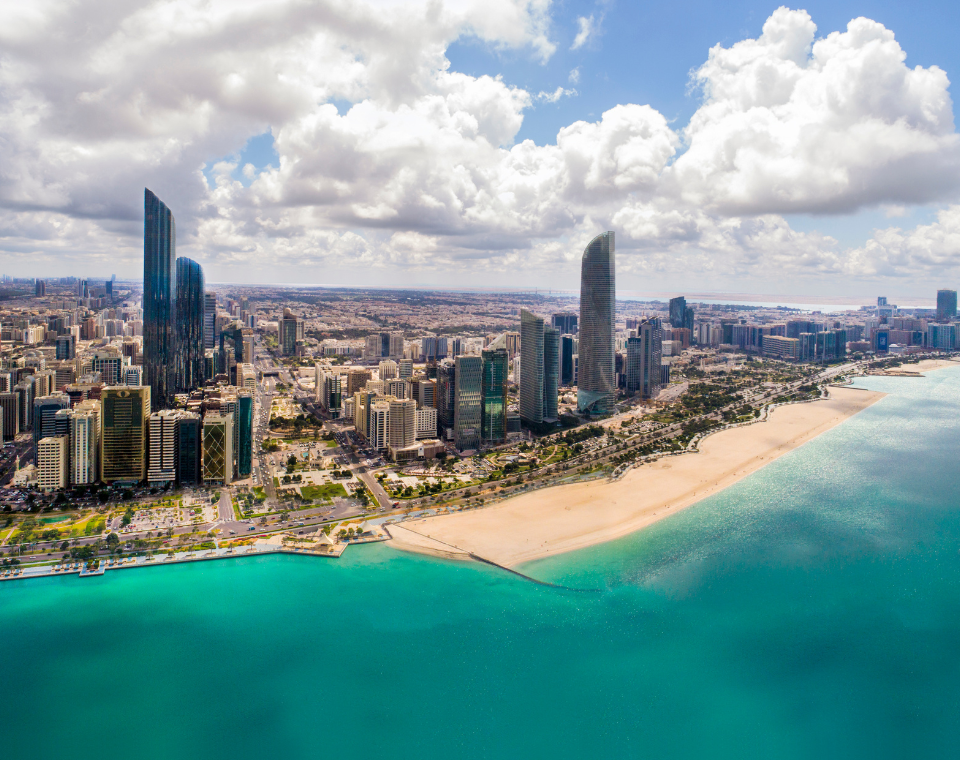
Abu Dhabi experiences climate patterns similar to Dubai, with hot summers and pleasant winters. The city’s world-class cultural attractions including Louvre Abu Dhabi and Sheikh Zayed Grand Mosque see optimal visiting conditions from November through March. Summer requires the same indoor-focused approach as Dubai.
The Corniche provides excellent winter walking and cycling opportunities with Arabian Gulf views. Summer makes these outdoor spaces challenging during daylight hours, though evening visits offer some relief. Abu Dhabi’s islands including Yas Island and Saadiyat Island benefit from coastal breezes during cooler months.
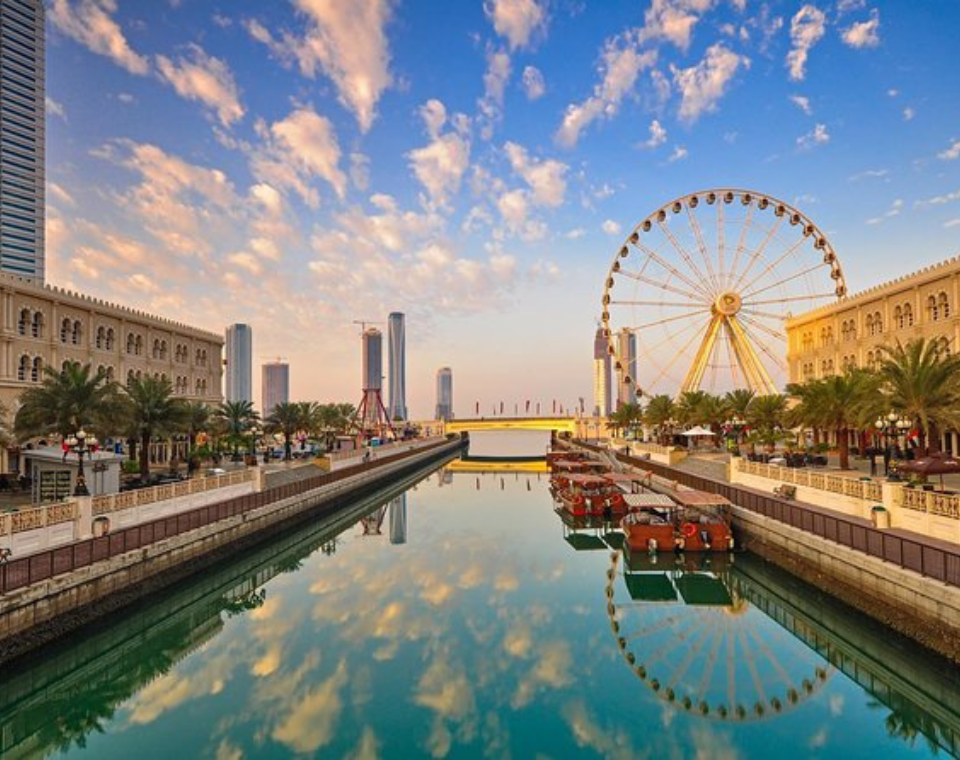
Sharjah: Cultural Capital Considerations
Sharjah’s cultural attractions including museums, art galleries, and heritage areas see best visiting conditions during winter months. The emirate’s more conservative character doesn’t significantly impact weather considerations, though it affects dress codes and behavior expectations at cultural sites.
The absence of beachfront resort development in central Sharjah focuses tourism on cultural and educational attractions, many of which operate indoors with climate control. This makes Sharjah somewhat more accessible during shoulder seasons compared to beach-focused destinations.
Al Ain: Desert Interior Climate
Al Ain, located inland near the Omani border, experiences more extreme temperature variations than coastal cities. Winter nights can become quite cool, occasionally requiring jackets, while summer days reach extreme temperatures. The lack of coastal humidity makes Al Ain’s heat somewhat more bearable than Dubai’s, though temperatures often exceed coastal readings.
The UNESCO World Heritage sites, Jebel Hafeet mountain, and oasis areas see optimal visiting conditions from November through February. Spring and autumn shoulder seasons work reasonably well for Al Ain’s outdoor attractions. Summer makes sightseeing challenging despite lower humidity levels.
Northern Emirates: Mountain and Coast
Fujairah on the east coast experiences slightly different weather patterns due to Arabian Sea influence rather than Arabian Gulf. The Hajar Mountains create microclimates with cooler temperatures at elevation. Winter months remain ideal for exploring Fujairah’s beaches, wadis, and mountain areas.
Ras Al Khaimah’s mountain resorts at Jebel Jais offer cooler temperatures year-round, making them appealing summer escapes. The northern emirates’ outdoor attractions including hiking, camping, and beach activities align with November-March optimal conditions.
Budget Considerations by Season
Peak Season Pricing (November-March)
The November to March period commands premium pricing across accommodations, tours, and some attractions. Five-star hotels double or triple their summer rates, while mid-range properties increase substantially. Popular restaurants require advance reservations, particularly during festive periods and major events.
Flight costs to UAE airports increase during peak season, especially around holidays. Package deals booked well in advance provide best value during these months. Despite higher costs, the superior weather conditions and vibrant atmosphere justify premium pricing for many travelers.
Shoulder Season Value (April and October)
April and October offer transitional pricing, with rates lower than peak winter but higher than summer’s rock-bottom levels. These months provide compromise between cost savings and reasonable weather conditions. Hotels reduce rates by 30-50 percent compared to peak season while weather remains somewhat manageable with proper planning.
The reduced tourist numbers create better availability at restaurants and attractions without peak season premiums. Tour operators often offer promotions during shoulder periods, providing opportunities for desert safaris, city tours, and excursions at advantageous rates.
Summer Bargains (May-September)
Summer months deliver the UAE’s best accommodation deals, with luxury properties offering rates 50-70 percent below peak season. Five-star hotels become accessible at three-star prices, while mid-range options offer exceptional value. Airlines also reduce fares during low-demand summer months.
The cost savings allow budget-conscious travelers to experience luxury hotels, fine dining, and premium attractions at significantly reduced overall trip costs. However, the extreme heat requires acceptance of limited outdoor activities and modified sightseeing approaches focused on indoor experiences.
Matching Your Interests to the Best Time
Beach and Water Sports Enthusiasts
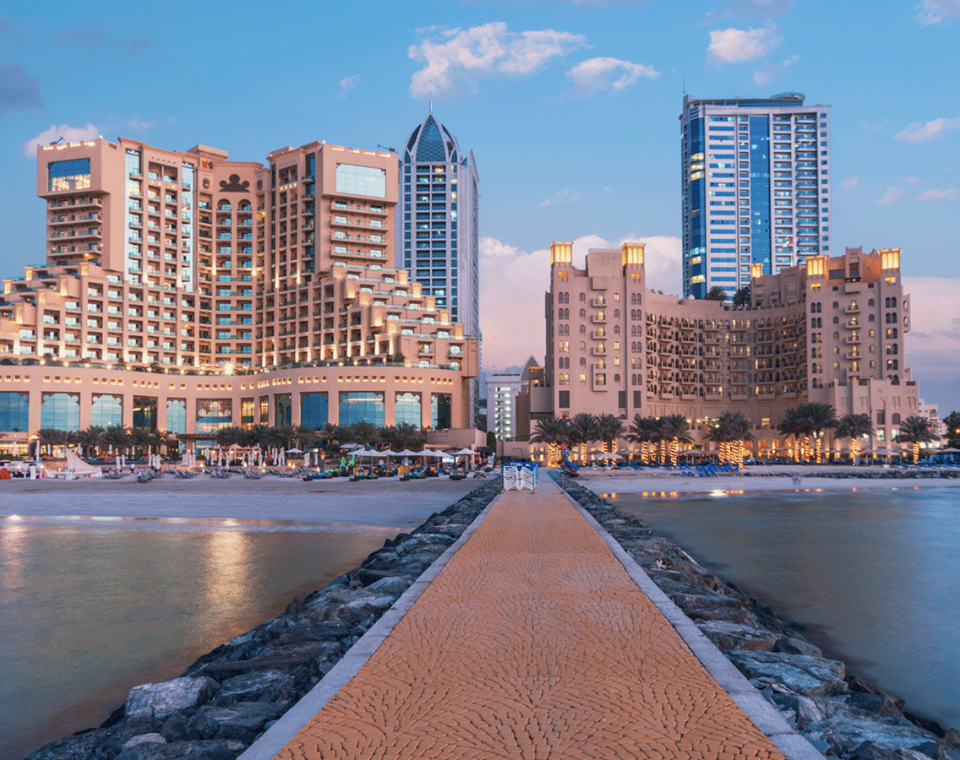
Beach lovers should target November through March when comfortable temperatures and calm seas create ideal conditions. Water sports including jet skiing, parasailing, and diving operate optimally during these months. Beach clubs, waterfront restaurants, and coastal walks prove most enjoyable during peak season.
April and October offer adequate beach conditions for those tolerating warmer temperatures. Summer beach visits work only for early morning or evening, with midday proving too hot for comfortable beach lounging despite warm water temperatures.
Cultural and Heritage Explorers
Visitors focused on museums, mosques, heritage sites, and cultural experiences benefit from November through March when outdoor heritage areas remain comfortable. Sites like Al Fahidi Historical District, Heritage Village, and Al Ain’s oasis areas require outdoor exploration best suited to cooler months.
Indoor cultural attractions including Louvre Abu Dhabi, Sharjah museums, and Dubai Museum operate year-round with climate control, making them accessible during any season. However, combining indoor and outdoor cultural sites proves most practical during winter months.
Adventure and Desert Safari Seekers
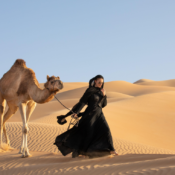
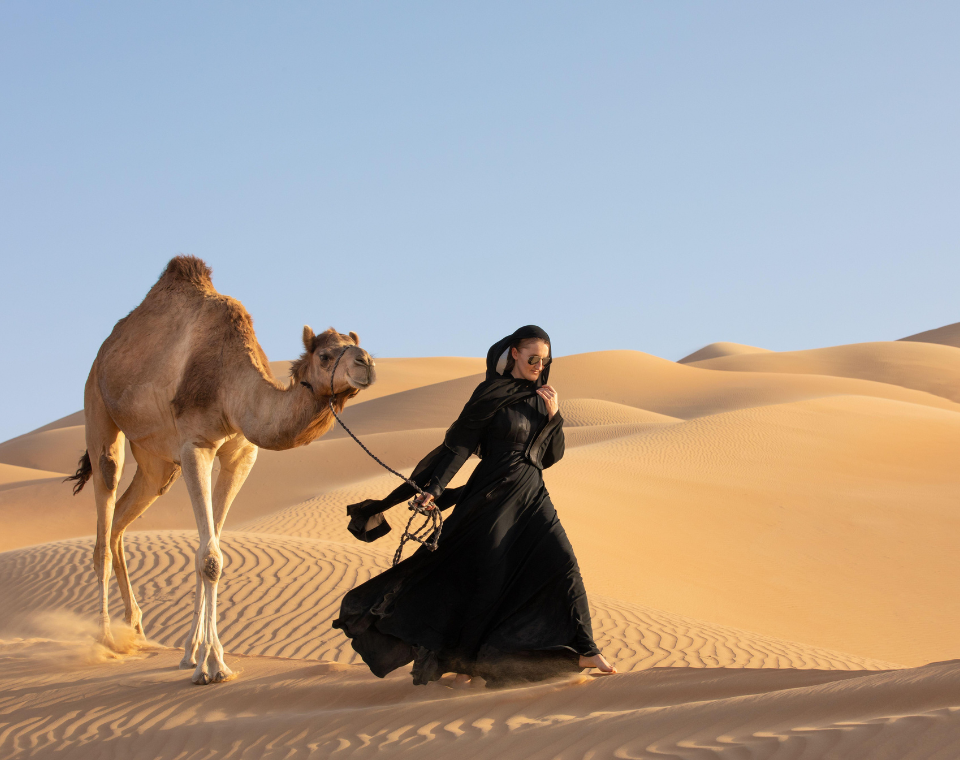
Desert safaris, dune bashing, sandboarding, and overnight desert camping require November through March conditions. Summer heat makes desert activities dangerous during daylight hours, though some operators offer modified sunrise or evening experiences. The comfortable winter temperatures allow full enjoyment of desert experiences without heat-related concerns.
Mountain activities in Jebel Hafeet or Jebel Jais also benefit from winter conditions, when hiking and outdoor exploration prove comfortable. The shoulder months of October and April work for adventure enthusiasts accustomed to warm conditions who plan activities for early morning hours.
Shopping and Indoor Entertainment Fans
Shopping enthusiasts can visit year-round since UAE malls provide climate-controlled environments regardless of external conditions. However, the Dubai Shopping Festival in December-January adds special appeal with major discounts and events. Summer offers the advantage of minimal crowds at shopping destinations.
Indoor entertainment venues including theme parks, aquariums, and museums operate consistently year-round. Summer’s reduced crowds mean shorter queues at these attractions, benefiting families with children seeking indoor activities.
Photography and Sightseeing Specialists
Photographers seeking optimal lighting conditions and comfortable outdoor shooting hours should target November through March. The clear skies, moderate temperatures, and golden hour lighting create ideal conditions for architectural photography, landscape shots, and street photography.
The winter months’ comfortable temperatures allow patient waiting for perfect light conditions without heat exhaustion. Summer’s harsh midday light proves challenging for photography, though creative photographers can work with dramatic light conditions during brief morning and evening windows.
Health and Comfort Considerations
Hydration and Sun Protection
Regardless of travel timing, the UAE’s desert climate and intense sunshine require serious attention to hydration and sun protection. Even during comfortable winter months, the strong sun can cause sunburn within minutes. High-SPF sunscreen, sunglasses, and hats prove essential for outdoor activities.
Summer conditions demand exceptional hydration vigilance, with heat-related illness risks increasing substantially. Travelers should drink water constantly, recognize heat exhaustion symptoms, and limit outdoor exposure during peak afternoon hours. Air-conditioned environments provide necessary respite from dangerous heat levels.
Acclimatization Strategies
Visitors arriving from cooler climates should allow acclimatization time, particularly during summer months. Gradual exposure to heat rather than immediate intensive outdoor activity helps prevent heat-related illness. Indoor activities for the first day or two allow bodies to adjust before attempting more demanding outdoor experiences.
Winter visitors from tropical regions may find evening temperatures surprisingly cool, requiring light layers. The temperature fluctuation between air-conditioned indoors and outdoor heat, particularly in summer, can affect some travelers, making gradual transitions preferable.
Respiratory Considerations
The UAE’s occasional dust storms and desert environment can affect travelers with respiratory conditions. Spring months occasionally see increased dust activity. Those with asthma or allergies should carry necessary medications and potentially avoid outdoor activities during dusty conditions.
The extreme air conditioning in buildings, malls, and transportation during summer creates significant temperature differentials from outdoor heat. This contrast can trigger respiratory discomfort in sensitive individuals, making layered clothing advisable for managing temperature transitions.
Making the Final Decision
Prioritizing Weather vs. Budget
Your optimal UAE visit timing ultimately depends on personal priorities between ideal weather conditions and budget considerations. Travelers prioritizing comfortable outdoor sightseeing should accept peak season premium pricing for November through March experiences. Those with budget constraints can achieve significant savings during summer while accepting indoor-focused itineraries.
The shoulder months of April and October provide compromise options, balancing reasonable pricing with manageable weather for flexible travelers. These months suit those comfortable modifying activities based on daily conditions and focusing outdoor experiences on morning and evening hours.
Booking Strategies for Optimal Value
Regardless of chosen season, advance booking provides significant advantages. Peak season hotels and popular attractions sell out months ahead, making early reservations essential. Even summer travel benefits from advance booking to secure preferred hotels at already-discounted rates.
Package deals combining flights and accommodations often provide better value than separate bookings. Tour operators like Zark Taj Tourism offer seasonal promotions and early booking discounts that reduce overall costs while ensuring quality experiences during your preferred travel period.
Flexibility Advantages
Travelers with flexible schedules can optimize timing by monitoring weather forecasts and adjusting travel dates accordingly. Late March or early November often provide peak season weather without premium pricing. Similarly, late October can deliver improving conditions while maintaining shoulder season rates.
Conclusion: Your Perfect UAE Sightseeing Season
The best time to visit the UAE for sightseeing ultimately depends on your specific priorities, interests, and tolerance for heat. The November to March period offers optimal weather conditions that support comprehensive outdoor exploration, justifying premium pricing for most travelers. The comfortable temperatures, vibrant events, and ideal conditions for desert, beach, and urban sightseeing make this peak season the preferred choice for first-time visitors.
Budget-conscious travelers willing to adapt their itineraries can find exceptional value during summer months, focusing on indoor attractions, shopping, and early morning or evening experiences. The dramatic cost savings and minimal crowds create opportunities for luxury experiences at moderate budgets, particularly appealing for shopping-focused or indoor-entertainment-oriented visits.
The shoulder seasons of April and October provide middle-ground options, balancing cost savings with reasonable weather for flexible travelers comfortable with warm conditions and strategic activity planning. These months suit return visitors exploring specific interests or budget-conscious tourists willing to work around heat considerations.
Understanding the UAE’s seasonal patterns allows informed decision-making aligned with your travel style, budget, and sightseeing priorities. Whether you choose perfect peak season weather, budget-friendly summer deals, or shoulder season compromise, proper planning ensures a memorable UAE experience. Contact Zark Taj Tourism to design your ideal UAE sightseeing adventure timed perfectly for your preferences and interests.
About the Author: This comprehensive guide was developed by Zark Taj Tourism’s expert team, drawing on years of experience helping travelers plan UAE visits across all seasons. Our local knowledge and commitment to guest satisfaction ensure you visit during the optimal period for your specific interests.
Ready to plan your UAE sightseeing adventure? Contact Zark Taj Tourism for personalized guidance on timing your visit and creating an unforgettable itinerary tailored to your preferences and the best seasonal conditions.