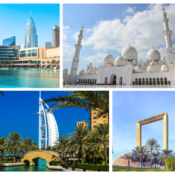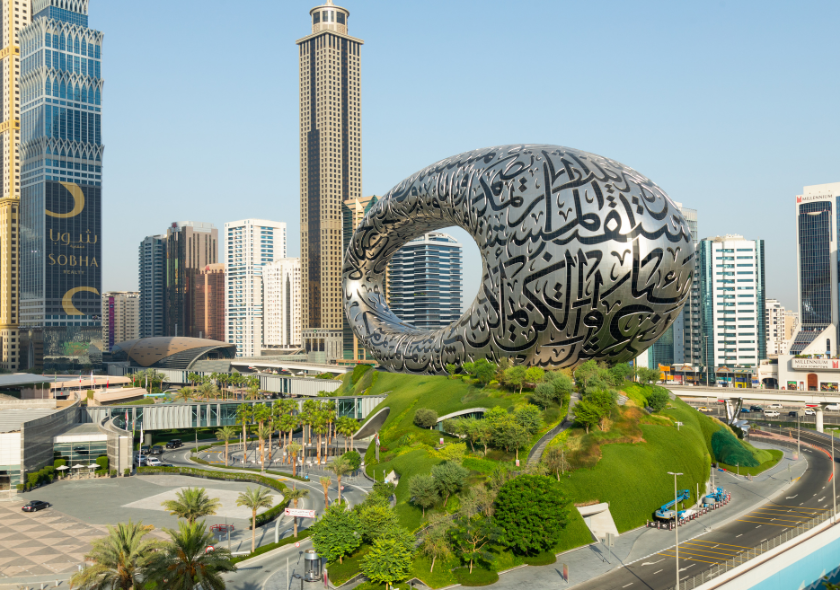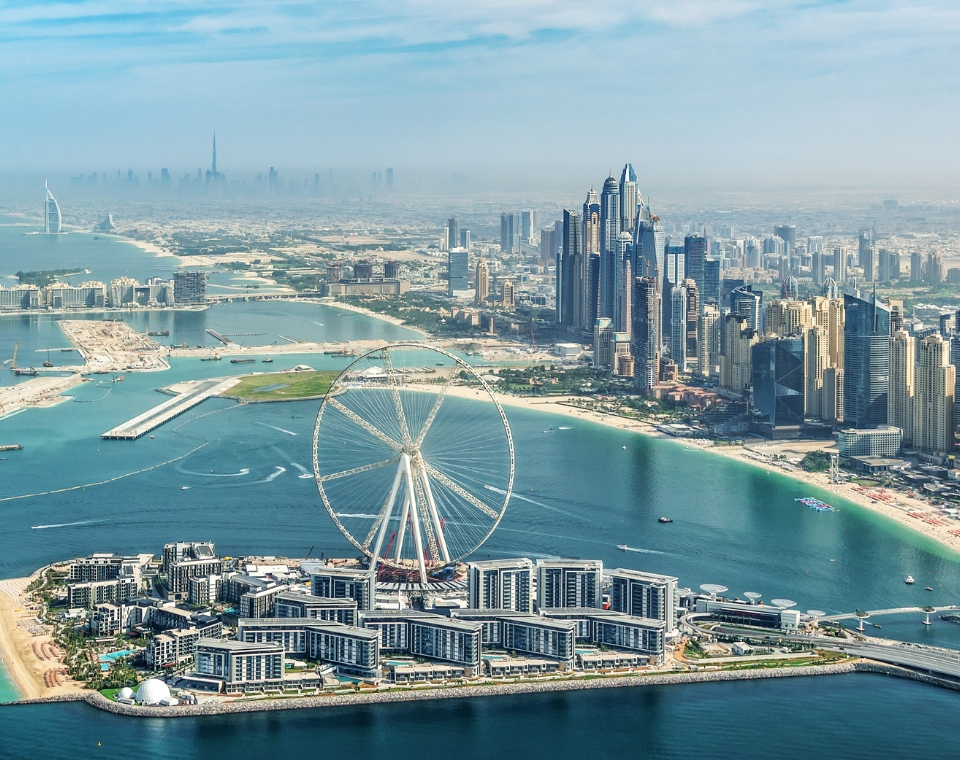
Dubai stands as one of the world’s most captivating destinations, where futuristic architecture meets rich Arabian heritage. Whether you’re planning your first visit or returning to explore more, understanding the top attractions on a Dubai city tour helps you make the most of your time in this extraordinary emirate.
Why Dubai City Tours Are Essential for First-Time Visitors
Dubai spans over 4,000 square kilometers, making it challenging to navigate independently. A structured city tour ensures you experience the must-see landmarks efficiently while learning about the city’s remarkable transformation from a fishing village to a global metropolis. Professional tours also provide insider knowledge about Emirati culture, history, and hidden gems that independent travelers often miss.
1. Burj Khalifa: The World’s Tallest Building
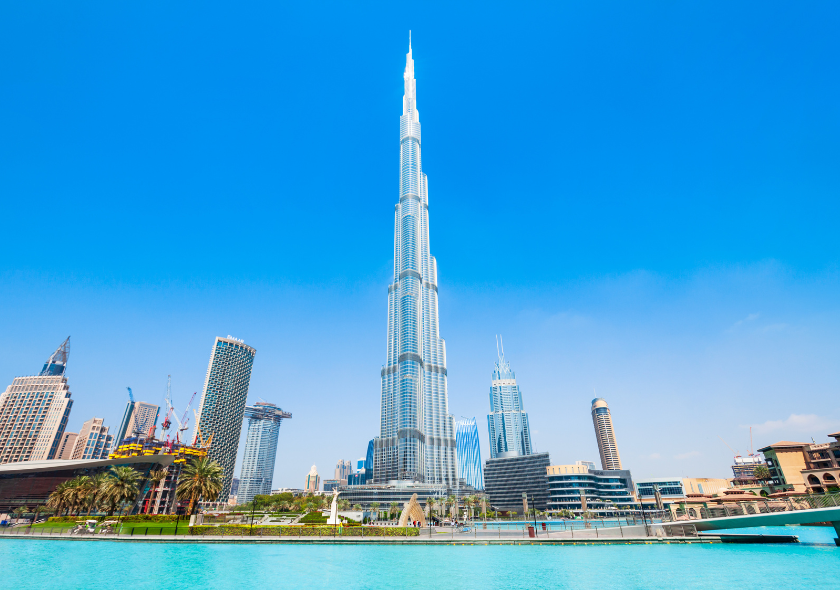
No Dubai city tour is complete without visiting the Burj Khalifa, soaring 828 meters into the sky. This architectural masterpiece dominates Dubai’s skyline and offers unparalleled views from its observation decks on the 124th, 125th, and 148th floors.
What Makes It Special: The Burj Khalifa represents Dubai’s ambitious vision and engineering excellence. Visitors can see up to 96 kilometers on clear days, encompassing the Arabian Gulf, desert landscapes, and the sprawling cityscape. The structure holds multiple world records and features cutting-edge sustainable design elements.
Insider Tips: Book tickets for sunset viewing to witness the city transition from daylight to its spectacular nighttime illumination. Skip-the-line tickets save considerable waiting time, especially during peak tourist seasons from November to March. The At.mosphere restaurant on the 122nd floor offers dining with views, though advance reservations are essential.
2. Dubai Mall and Dubai Fountain
Adjacent to Burj Khalifa, Dubai Mall ranks as the world’s largest shopping and entertainment destination, featuring over 1,200 retail outlets, an Olympic-sized ice rink, and the Dubai Aquarium.
Key Attractions: The Dubai Fountain performs choreographed shows every 30 minutes during evenings, shooting water up to 150 meters high. The aquarium houses over 33,000 marine animals, including rare sand tiger sharks and rays. The mall also features VR Park, KidZania, and countless dining options representing global cuisines.
Visit Strategy: Allocate at least three to four hours for the mall. Arrive before sunset to explore indoor attractions, then position yourself at the Burj Khalifa Lake promenade for the 6:00 PM fountain show. The 7:30 PM and 8:00 PM performances typically draw the largest crowds.
3. Dubai Marina: Modern Waterfront Living
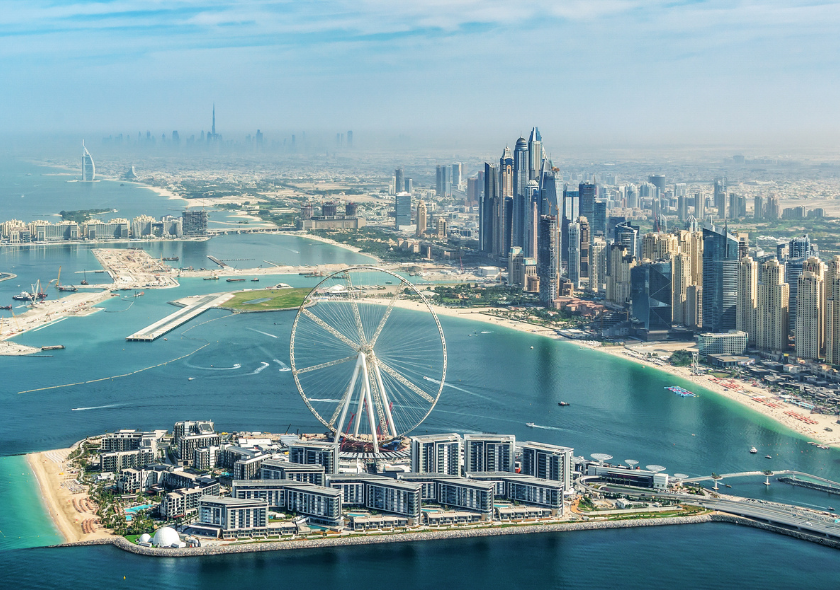
Dubai Marina showcases contemporary urban planning at its finest, with a two-kilometer artificial canal surrounded by gleaming skyscrapers. This vibrant neighborhood exemplifies Dubai’s luxury lifestyle and modern architecture.
Experiences Available: Traditional dhow dinner cruises offer unique perspectives of the illuminated skyline while serving international buffets. The Marina Walk provides excellent dining, shopping, and people-watching opportunities. Water sports enthusiasts can enjoy jet skiing, parasailing, and yacht charters.
Best Time to Visit: Evening hours transform the marina into a bustling social hub. The waterfront promenade comes alive with street performers, outdoor cafes, and stunning reflections of towers on the calm water. Weekend evenings see peak activity with residents and tourists mingling.
4. Palm Jumeirah: The Iconic Man-Made Island
This engineering marvel extends five kilometers into the Arabian Gulf, visible from space. Palm Jumeirah houses luxury hotels, upscale residences, and entertainment venues, representing Dubai’s bold approach to land reclamation.
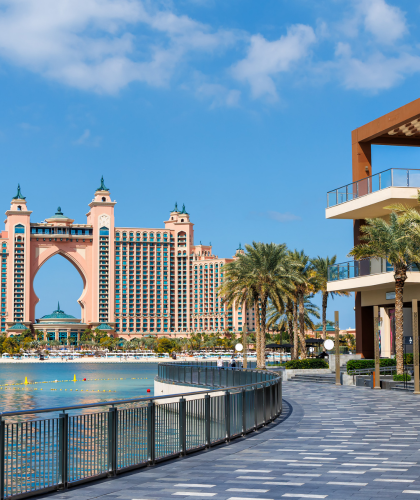
Must-See Spots: Atlantis The Palm anchors the island’s crescent, featuring Aquaventure Waterpark and The Lost Chambers Aquarium. The Palm Monorail provides elevated views of the palm fronds and Dubai’s coastline. The Pointe offers waterfront dining and shopping with fountain shows.
Photography Opportunities: The best views come from helicopter tours or seaplane rides that reveal the palm’s perfect symmetry. Ground-level photography works well at The Pointe during sunset, capturing Atlantis with golden-hour lighting. The View at The Palm observation deck on the 52nd floor provides 360-degree vistas.
5. Burj Al Arab: The Sail-Shaped Luxury Icon
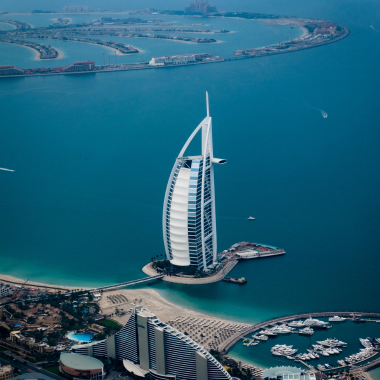
Standing on its own artificial island, Burj Al Arab represents ultimate luxury and serves as Dubai’s most photographed hotel. Its distinctive sail-shaped silhouette has become synonymous with Dubai’s opulence.
Visiting Options: While the hotel restricts entry to guests and diners, afternoon tea at Sahn Eddar or cocktails at Skyview Bar provide access to the interiors. The gold leaf decorations, lavish furnishings, and attentive service justify the premium pricing. Photography from Jumeirah Beach offers excellent exterior shots without entering.
Historical Significance: Opened in 1999, Burj Al Arab established Dubai as a luxury destination and pioneered the seven-star hotel concept. The building’s engineering overcame significant challenges, including seabed instability and harsh marine conditions.
6. Old Dubai: Al Fahidi Historical District
This restored heritage area transports visitors to Dubai’s pre-oil era, showcasing traditional Emirati architecture and culture. The wind-tower houses demonstrate ingenious passive cooling techniques used before air conditioning.
Cultural Experiences: The Dubai Museum in Al Fahidi Fort chronicles the emirate’s evolution through interactive exhibits and dioramas. Traditional courtyard houses now host art galleries, cultural centers, and authentic Emirati restaurants. The Sheikh Mohammed Centre for Cultural Understanding offers heritage meals and discussions about local customs.
Architectural Details: The coral stone buildings with gypsum and lime plaster represent Gulf construction methods. Wind towers catch breezes and channel them into living spaces, reducing interior temperatures significantly. Narrow lanes and covered walkways provide shade and encourage social interaction.
7. Gold and Spice Souks: Traditional Markets
These historic trading areas preserve Dubai’s merchant heritage, offering sensory-rich shopping experiences that contrast sharply with modern malls.
Gold Souk Highlights: Over 300 retailers display an estimated 10 tons of gold at any time, from traditional 22-karat Arabian pieces to contemporary designs. Bargaining is expected and can yield 20-30 percent discounts off initial asking prices. The souk’s covered walkways protect shoppers from heat while creating an intimate marketplace atmosphere.
Spice Souk Experience: Aromatic mounds of saffron, cardamom, dried lemons, and frankincense create an olfactory journey. Vendors explain traditional uses and offer samples generously. The souk connects to textile markets where merchants sell silks, pashminas, and fabrics by the meter.
Navigation Tips: Both souks are easily accessible via abra (water taxi) from Bur Dubai. Early morning visits avoid crowds and heat, though some shops open later. Carry cash for better bargaining power, and don’t hesitate to walk away if prices seem inflated.
8. Jumeirah Mosque: Islamic Architecture and Culture
Jumeirah Mosque stands as one of few mosques in Dubai welcoming non-Muslim visitors, making it essential for cultural understanding. The mosque’s photogenic facade appears on the 500-dirham note.
Guided Tours: The Sheikh Mohammed Centre for Cultural Understanding conducts tours explaining Islamic practices, mosque etiquette, and Emirati traditions. Guides answer questions openly about religion, culture, and daily life. Tours include traditional Emirati refreshments.
Architectural Features: Built in the medieval Fatimid style, the mosque features intricate stone carvings, elegant minarets, and a majestic dome. Evening illumination creates stunning photographic opportunities, with the white stone reflecting warm lighting. The surrounding gardens provide peaceful spaces for reflection.
Visitor Guidelines: Modest dress is required—the center provides abayas for women if needed. Tours run Sunday through Thursday mornings, with Friday reserved for prayers. Photography is permitted and encouraged during tours.
9. Dubai Creek: The City’s Historic Heart
Dubai Creek represents the geographical and historical center where the city originated. This natural seawater inlet facilitated pearl diving and trading that built Dubai’s early economy.
Abra Rides: Traditional wooden water taxis have crossed the creek for over a century, connecting Deira and Bur Dubai. The one-dirham fare makes this Dubai’s best transportation value. Abras operate from 6:00 AM to midnight, providing authentic local experiences away from tourist infrastructure.
Heritage Sites: The creek area encompasses the Heritage Village, showcasing Bedouin life with traditional tents, pottery, and weaving demonstrations. Al Shindagha Museum complex explores Emirati history through interactive exhibits in restored merchants’ houses.
Dhow Cruises: Evening dinner cruises on traditional wooden dhows combine sightseeing with buffet dining. The two-hour journeys pass illuminated souks, heritage sites, and modern developments, illustrating Dubai’s layers of history.
10. Global Village: International Cultural Park
Operating seasonally from November to April, Global Village presents cultures from over 75 countries through pavilions, performances, and cuisine. This entertainment destination attracts families and culture enthusiasts.
What to Expect: Country pavilions offer handicrafts, clothing, and specialty items directly from artisans and merchants. Multiple performance stages host cultural shows, music, and dance throughout evenings. The extensive carnival area features rides and games suitable for all ages.
Culinary Journey: Street food stalls and restaurants serve authentic dishes from participating nations. This creates opportunities to sample Lebanese mezze, Pakistani biryani, Turkish kebabs, and Asian desserts without leaving the park. Food quality generally exceeds typical theme park offerings.
Planning Your Visit: Weekends draw massive crowds, sometimes exceeding 100,000 visitors. Weekday evenings offer more comfortable experiences with shorter queues. The park opens at 4:00 PM, with performances starting around 6:00 PM. Allocate four to five hours for a comprehensive visit.
11. Dubai Frame: Architectural Innovation Meets City Views
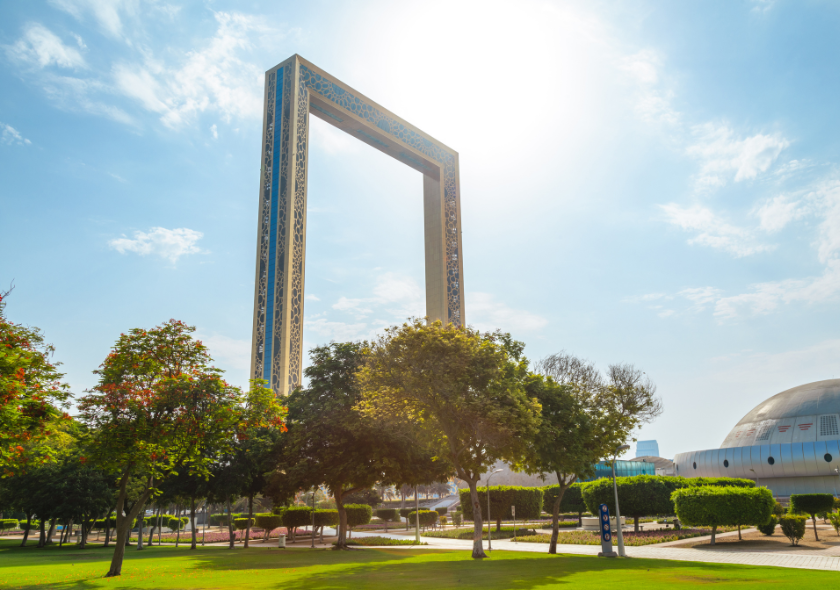
This 150-meter golden rectangular frame in Zabeel Park literally frames old and new Dubai from its observation bridge. The innovative structure won multiple architectural awards.
Unique Perspective: The north-facing windows overlook historic Deira and Karama, while south-facing views showcase modern Dubai including Burj Khalifa and Business Bay. Interactive screens explain visible landmarks and Dubai’s development. The glass floor section on the bridge thrills visitors seeking dramatic photographs.
Museum Experience: The ground level features exhibitions about Dubai’s transformation using augmented reality and multimedia installations. The future Dubai section presents concepts for upcoming developments. The journey through past, present, and future creates a comprehensive narrative.
Visitor Information: Advanced booking ensures entry during preferred time slots. Sunset visits provide optimal lighting for photography on both sides. The attraction is less crowded than Burj Khalifa, offering comparable views with shorter wait times.
12. La Mer Beach: Contemporary Beachfront Destination
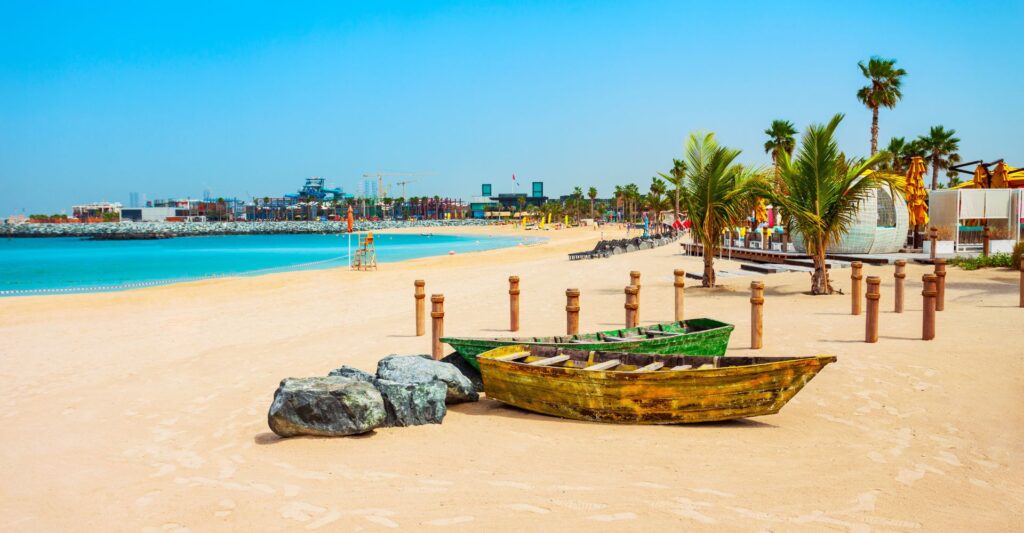
La Mer represents Dubai’s modern approach to beach entertainment, combining pristine coastline with dining, shopping, and artistic elements. The development appeals to both residents and tourists seeking beach experiences.
Beach Activities: The white sand beach offers swimming zones with lifeguards, water sports rentals, and beach volleyball courts. The adjacent water park, Laguna Waterpark, features slides, wave pools, and lazy rivers. Surfing facilities include artificial waves suitable for beginners and experienced surfers.
Dining and Shopping: Over 130 retail outlets and restaurants line the promenade, from casual cafes to upscale dining establishments. The open-air design capitalizes on pleasant weather from November to April. Street art installations and murals by international artists add visual interest.
Family-Friendly Features: Dedicated children’s play areas, shallow swimming zones, and family-friendly restaurants make La Mer ideal for visitors with young children. The relaxed atmosphere contrasts with Dubai’s high-energy attractions, providing balance to comprehensive city tours.
Creating Your Perfect Dubai City Tour Itinerary
Half-Day Tours (4-5 Hours)
Half-day tours typically cover either modern or historic Dubai. Morning tours often focus on old Dubai, visiting the museum, souks, and creek before temperatures rise. Afternoon tours showcase modern attractions like Burj Khalifa, Dubai Mall, and marina areas.
Full-Day Tours (8-10 Hours)
Comprehensive full-day tours combine traditional and contemporary Dubai. A typical itinerary includes morning visits to heritage sites, lunch breaks, and afternoon exploration of modern landmarks. This pacing allows adequate time at each location without feeling rushed.
Specialized Tours
Photography tours emphasize optimal lighting conditions and unique angles at photogenic locations. Cultural tours focus on Emirati heritage, mosque visits, and traditional experiences. Luxury tours include exclusive access to premium venues, private guides, and chauffeur services.
Best Times to Visit Dubai
Peak Season (November to March)
Moderate temperatures between 20-30°C create ideal conditions for outdoor exploration. This period sees the highest tourist numbers, requiring advance bookings for popular attractions. Major events like Dubai Shopping Festival and Dubai Food Festival occur during these months.
Shoulder Season (October and April)
Temperatures begin moderating in October while April starts warming significantly. These months offer better hotel rates and fewer crowds at attractions. Most outdoor activities remain comfortable, particularly during morning and evening hours.
Summer (May to September)
Extreme heat exceeding 40°C limits outdoor activities to early morning or late evening. Indoor attractions like malls, museums, and indoor theme parks become primary focuses. Hotels offer significant discounts, and attractions have minimal queues, benefiting budget-conscious travelers who tolerate heat.
Practical Tips for Dubai City Tours
Dress Code Considerations
Dubai expects modest dress in public areas, particularly at religious sites and government buildings. Women should cover shoulders and knees, while men avoid sleeveless shirts. Beach areas and hotels permit Western swimwear, but cover-ups are appropriate when leaving beach zones.
Transportation Options
Metro lines serve major attractions efficiently and cost-effectively, though coverage remains incomplete. Taxis are abundant, metered, and affordable compared to Western cities. Ride-sharing apps like Uber and Careem operate extensively. Tour buses offer hop-on-hop-off flexibility for independent exploration.
Photography Guidelines
Most public spaces permit photography, but restrictions apply at certain government buildings and some shopping malls. Always ask permission before photographing people, especially Emirati women. Religious sites may restrict photography during prayer times.
Currency and Payments
The UAE Dirham (AED) is the official currency, with exchange rates approximately 3.67 AED to 1 USD. Credit cards are widely accepted at major establishments, though cash benefits in souks and with taxi drivers. ATMs are plentiful throughout the city.
Choosing the Right Dubai City Tour
Group Tours vs. Private Tours
Group tours offer cost-effective options with fixed itineraries and scheduled departures. They provide opportunities to meet fellow travelers but offer limited flexibility. Private tours cost more but allow customized itineraries, flexible pacing, and personalized attention from guides.
Tour Operator Selection
Reputable operators provide licensed guides, comfortable transportation, and comprehensive insurance. Reviews on platforms like TripAdvisor and Google reveal service quality and reliability. Established companies like Zark Taj Tourism offer expertise, local knowledge, and customer support that enhance tour experiences.
Inclusions to Expect
Standard tours include transportation, professional guides, and entrance fees to specified attractions. Some tours incorporate meals, particularly full-day experiences. Clarify what’s included versus additional costs before booking to avoid surprises.
Conclusion: Experiencing Dubai’s Diverse Appeal
Dubai city tours reveal a destination where ancient traditions coexist with futuristic ambitions. From the aromatic alleys of spice souks to the observation decks of record-breaking towers, Dubai offers contrasts that fascinate and inspire. Whether admiring architectural marvels, engaging with Emirati culture, or enjoying world-class entertainment, each attraction contributes to understanding this unique emirate.
Planning a comprehensive Dubai city tour ensures you experience the destination’s full spectrum. Professional tour operators like Zark Taj Tourism provide local expertise, efficient logistics, and cultural insights that transform sightseeing into meaningful experiences. With proper planning and knowledgeable guides, your Dubai city tour becomes more than checking landmarks off a list—it becomes a journey through one of the world’s most dynamic cities.
Ready to explore Dubai? Contact Zark Taj Tourism to book your customized Dubai city tour and discover why millions of visitors choose Dubai as their premier travel destination.